What makes the difference between a groundbreaking architectural project and one that gets lost in the shuffle? Very often, it’s a well-delivered presentation. An architectural presentation isn’t just about showcasing designs; it’s about telling a story, evoking emotions, and convincing others of the project’s value. Capturing and maintaining the audience’s attention through clear storytelling and concise messaging is essential for a successful presentation.
The ability to communicate your vision effectively is a crucial skill every architect must master when presenting to clients.
What is an architectural project presentation? It is a structured showcase of an architectural design, intended to communicate the concept, design process, and vision behind a project. This could take various forms, including slideshows, models, drawings, digital renderings, and even 3D walkthroughs. Highlighting the main idea of the project ensures clarity and impact, helping your audience quickly grasp the strongest point of your design.
The goal is to present your ideas in a way that’s visually appealing, understandable, and persuasive.
A strong architectural presentation cannot be overrated. It doesn’t only convey technical details but also makes a connection with your audience. Whether you’re aiming to win over a client, secure funding, or share your creative process with colleagues, a good presentation leaves a lasting impression.
It demonstrates professionalism, attention to detail, and the depth of your vision. Graphic design plays a key role in effectively communicating architectural ideas and making your presentation more accessible to all viewers.
A great presentation brings the project to life, showcasing both the technical aspects and the creative vision in harmony.
In this article, we explore key elements that will become the bricks you build your winning architectural project presentation with, and we’ll also provide you with some tried-and-tested tips to polish and successfully deliver it to your client. We also have an article on landscape design project presentations which you might find interesting as it’s a related business area with some unique features. Check it out here.
Essential Elements of a Winning Architectural Project Presentation
A good presentation requires more than just pretty pictures. Effective organization of both visual and textual elements is crucial for creating a cohesive and compelling architectural project presentation. It is important to organize content logically, using clear sequencing and structure, to guide the audience smoothly through your narrative. Additionally, always consider the specific requirements of each project or audience when preparing your presentation to ensure it meets all necessary guidelines and expectations. Here are some key elements that should be included in every architectural project presentation if you intend the client to share your vision:
1. Clear concept & narrative
Every presentation should start with a clear concept—what is the core idea behind your design? Including a concept statement is essential, as it clearly articulates the design concept, goals, and guiding principles for your project. This could be anything from a response to the surrounding environment to focusing on sustainability. Tell a story that captures your audience’s attention right from the start.
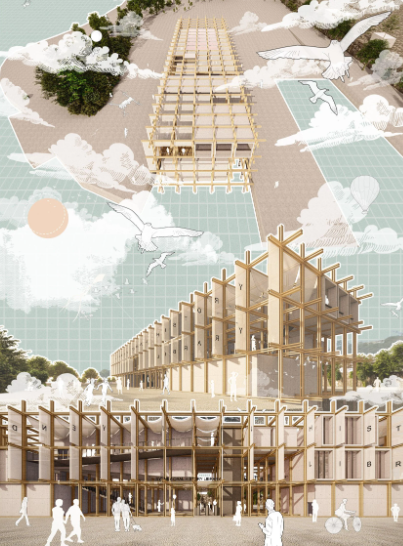
Example: The Sydney Oral History Library Project is viewed by the architects as a bridge between the land and water—a metaphor for oral history. The location of the library is another reference to the concept. It’s Sydney’s Cockatoo Island. The story is beautiful and captivating, past and present—in synergy.
2. Visual representations (renderings, models, and drawings)
Good visuals are at the heart of an architectural presentation. These could include 3D renderings, architectural drawings, and physical models that help illustrate the design in an easy-to-understand way.
An architectural presentation board serves as a graphic display to showcase a project’s key design elements, arranged in a structured layout that emphasizes visual hierarchy and narrative flow. You can choose to present your project on one board, combining all elements into a cohesive display, or use separate boards to highlight different aspects. The decision between one board or separate boards depends on the complexity of the project and the available space. Additionally, consider whether portrait orientation or landscape orientation best suits your presentation goals and constraints. While a black background can make certain elements stand out, it may reduce readability and create a cold tone, so always prioritize clarity and professionalism. Incorporating areas of rest, such as balanced backgrounds and color palettes, helps maintain visual harmony and guides the viewer’s focus. Using a template can streamline the creation of professional, visually appealing boards. Remember to write clear annotations, references, and scale details directly on the boards for effective communication. There are several ways to incorporate digital elements, like QR codes, to enhance interactivity and provide additional information.
Each visual should support the overall narrative, showing how the project addresses specific needs and goals.
To create beautiful and professionally looking slides and save a lot of time, use Wonderslide, our AI-powered slide designer. It will also ensure the optimal amount of data on every slide, which is especially critical for information-loaded architectural presentations.
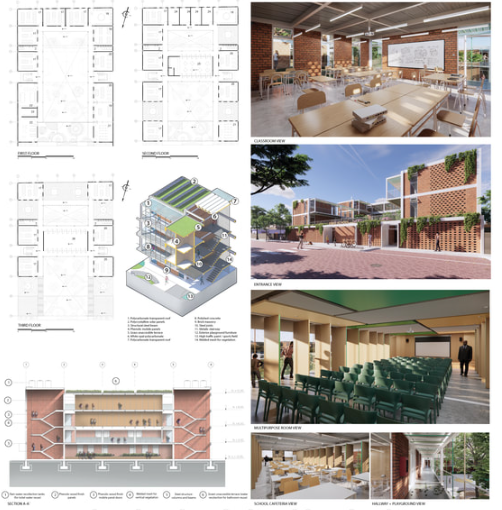
Example: A primary and secondary school project in Bamako, Mali. The presentation includes high-quality renderings and diagrams to showcase the building’s structure and interior.
3. Context and site analysis
Providing context is crucial. This includes a detailed understanding of the site where the project will be located. Factors like the building’s relationship to its surroundings, local culture, climate, and topography should be part of the presentation.
This shows you have done your homework and considered the project’s broader impact.
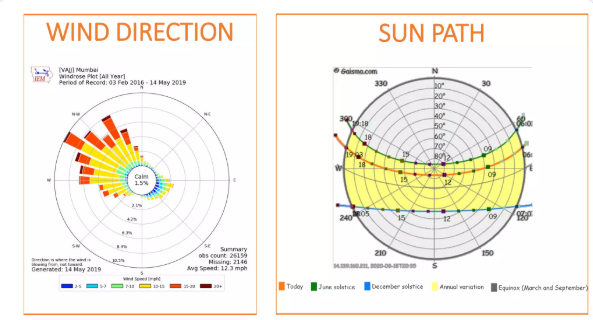
Example: The Artists’ Village Project, Belapur, India. It’s a residential complex with low-rise individual houses and land for cultivation. Hence the site analysis includes, among other things, climate considerations, wind analysis, and the sun path.

4. Sustainability and innovation
Today, sustainable and innovative solutions are key selling points in architectural design. Highlight how your project addresses energy efficiency, waste reduction, material sustainability, and any new technologies or materials you’ve integrated into the design.
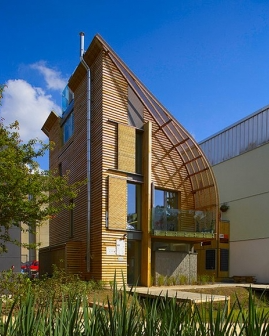
Example: The Lighthouse is the first zero-emission home project in the UK. The architects’ goal was to combine the environmentally-conscious design with comfortable living conditions for its future inhabitants.
Sustainable modern living is adaptable, flexible, and visually appealing.
5. Technical details
While not the most glamorous part of a presentation, technical specifications and details (like materials, structural integrity, and safety considerations) should demonstrate the design’s feasibility and practicality.
Clear diagrams or explanations of complex ideas can help make this information more accessible.
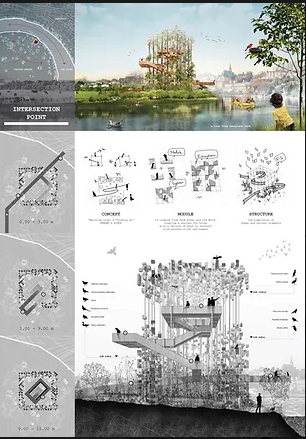
Example: A Bird Sanctuary in Chester, UK. Recreating the habitat for birds and building a bird-watching tower means creating an ecosystem where cohabitation is possible, and a beautiful architectural design is an enjoyable incentive.
This architectural sheet contains a substantial amount of technical detail, but it’s not overwhelming. Architecture presentations often take this condensed form of a single sheet combining all the slides with critical information.
Tailoring the Presentation to Different Audiences
A truly successful architectural project presentation is one that resonates with its specific audience. Before you create your presentation, take time to understand who will be in the room and what matters most to them. For clients, the focus should be on how the architectural project meets their needs — highlighting the aesthetic appeal, functional layout, and the way the design concept enhances their daily experience. Use simple illustrative sketches and renderings to help them visualize the finished space, and emphasize essential elements that align with their vision.
When presenting to contractors, shift the emphasis to technical details, materials, and construction methods. Here, clarity and precision are key — modern high-tech designs and detailed diagrams can help communicate complex aspects of the project efficiently. For investors, prioritize the project’s financial aspects, such as cost efficiency, return on investment, and long-term value. Use clear examples and concise layouts to demonstrate the project’s potential for growth.
By tailoring your architectural project presentation to the audience — whether through specific renderings, focused layouts, or highlighting different elements — you ensure that your message is both relevant and compelling. This approach not only showcases your design skills but also builds confidence and trust with every stakeholder involved.
Tips for Success
Here are some practical tips to ensure your architectural presentation stands out and makes an impact:
- Know Your Audience
Tailor your presentation to the people you’re presenting to. A client-focused presentation might emphasize functionality and aesthetic appeal. - Keep It Simple
While it’s tempting to pack your presentation with every detail, simplicity is often more effective. Avoid overwhelming your clients with jargon they likely don’t understand or too many visuals. Focus on the key messages you want to convey, and ensure the main focus of each slide or board is clear to guide your audience’s attention to the most important elements. - Practice Your Delivery
How you present is just as important as what you present. Practice your speaking skills, maintain eye contact, and be ready to answer questions. A well-practiced delivery shows confidence and professionalism. - Tell a Story
A great presentation feels like a narrative, not a lecture. Start with an introduction to the project’s background, followed by the design process, challenges faced, and how your design offers solutions. This makes the presentation more engaging and memorable. - Use Technology to Your Advantage
Incorporate digital tools, like 3D modeling or virtual reality walkthroughs, to help bring your design to life. The more immersive the experience, the better your audience will connect with the project. - Always End with Call to Action
It’s a universal rule for any successful presentation: identify the next steps for your client so that they don’t get lost and know exactly what to do: schedule the next meeting, sign a contract, etc.
These strategies are valuable for both students and professionals. Students often use these tips in academic settings, such as preparing for juries or submitting coursework, while professionals apply them in client meetings, industry presentations, and when managing digital assets for stakeholders.
A presentation is not just a means of sharing a design; it’s an opportunity to communicate a vision. It’s about taking your audience on a journey from concept to completion, showing not only how a building fits into its environment, but also why it matters.
By focusing on the core elements — crafting a compelling narrative, using clear and effective visuals, providing context, and addressing technical details — you can create a presentation that resonates with your audience and showcases your design in the best possible light.
And remember, a successful presentation is just as much about how you present your ideas as it is about the ideas themselves. The confidence, clarity, and passion you bring to the table can be just as persuasive as the design itself.
With the right approach, your presentation can be the key to new opportunities and recognition in the world of architecture.
Handling Questions and Feedback
An engaging architectural project presentation doesn’t end when the slides do — handling questions and feedback is a crucial part of the process. Be prepared to address inquiries about your design concept, site analysis, and technical details with clear, concise explanations. Anticipate the kinds of questions your audience might have, and use visual elements like diagrams, plans, and specific drawings to support your answers and clarify complex ideas.
Welcoming feedback demonstrates your openness and professionalism. Listen carefully to concerns or suggestions, and show a willingness to adapt your project if needed. For example, if a client asks about sustainable materials or natural lighting, be ready to reference a specific drawing or rendering that highlights these features. This not only reinforces your narrative but also deepens the audience’s understanding of your architectural project.
By engaging with your audience and addressing their questions thoughtfully, you build trust and credibility — key ingredients for a successful presentation. Remember, every question is an opportunity to further showcase your expertise and the strengths of your design.
Delivering a Confident Presentation
Confidence is a cornerstone of any successful presentation, especially when it comes to architectural project presentations. To deliver your ideas with assurance, practice your presentation in different formats — whether it’s a digital slideshow, a physical presentation board, or a combination of both. Familiarize yourself with every aspect of your presentation board, from the layout and drawings to the visual elements and technical details.
A polished presentation board should feature a clean, organized layout, using sans serif fonts and a consistent font type to ensure readability and a modern look. Start with a strong introduction to your design concept, then guide your audience through a series of renderings, diagrams, and technical details that showcase the depth of your project. Use engaging visuals and a clear narrative to keep the audience’s attention focused on your main ideas.
By presenting with enthusiasm and clarity, you convey your vision and passion for the project. This not only helps your audience connect with your ideas but also demonstrates your professionalism and design skills — key factors in achieving a successful presentation.
Post-Presentation Follow-up
The work doesn’t end when the presentation is over — effective follow-up is essential for ensuring your architectural project presentation leaves a lasting impression. After your presentation, reach out to your audience with additional materials, such as plans, diagrams, or renderings, to reinforce your key points and provide further clarity. Tools like Google Slides make it easy to share your presentation in a convenient, accessible format, allowing clients and stakeholders to review the project at their own pace.
Use this opportunity to invite feedback, answer any lingering questions, and offer to meet for a more in-depth discussion if needed. Including a clear call to action — such as scheduling a follow-up meeting or requesting input — encourages continued engagement and helps move the project forward.
By maintaining a professional and organized approach in your post-presentation follow-up, you demonstrate your commitment to the project and your audience. This not only strengthens relationships but also increases the likelihood of a successful outcome for your architectural project.
Final Thoughts
A presentation is not just a means of sharing a design; it’s an opportunity to communicate a vision. It’s about taking your audience on a journey from concept to completion, showing not only how a building fits into its environment, but also why it matters.
By focusing on the core elements—crafting a compelling narrative, using clear and effective visuals, providing context, and addressing technical details—you can create a presentation that resonates with your audience and showcases your design in the best possible light.
And remember, a successful presentation is just as much about how you present your ideas as it is about the ideas themselves. The confidence, clarity, and passion you bring to the table can be just as persuasive as the design itself.
With the right approach, your presentation can be the key to new opportunities and recognition in the world of architecture.